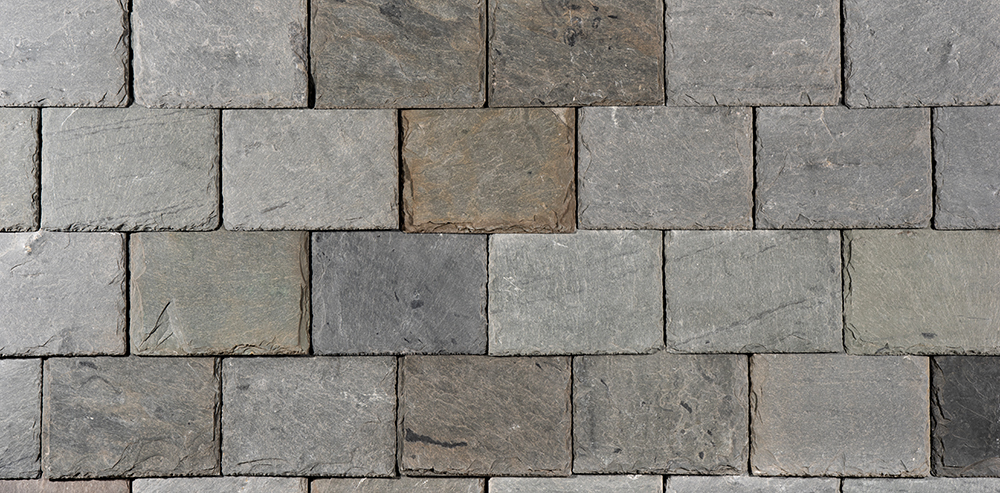
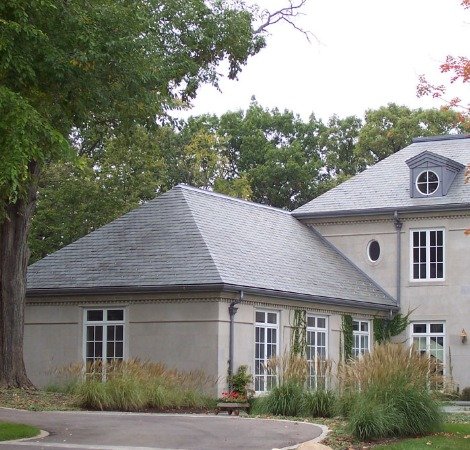
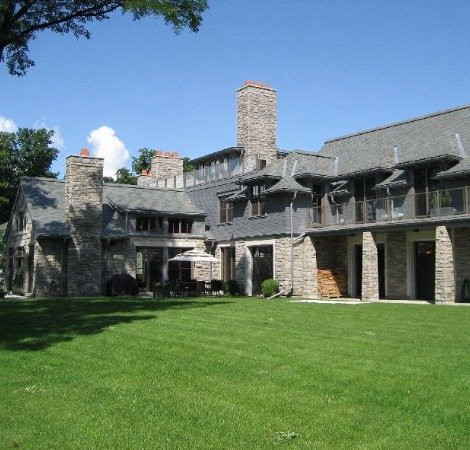
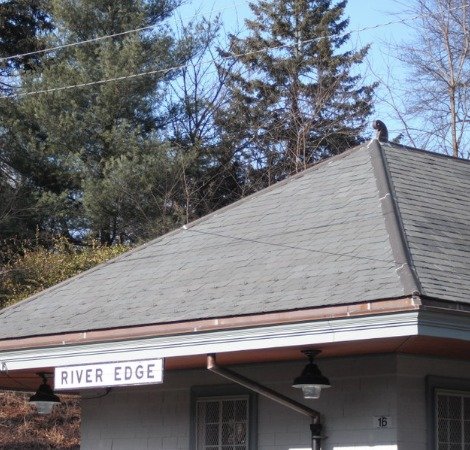
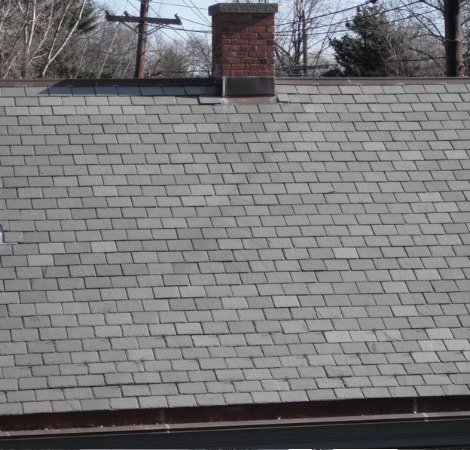
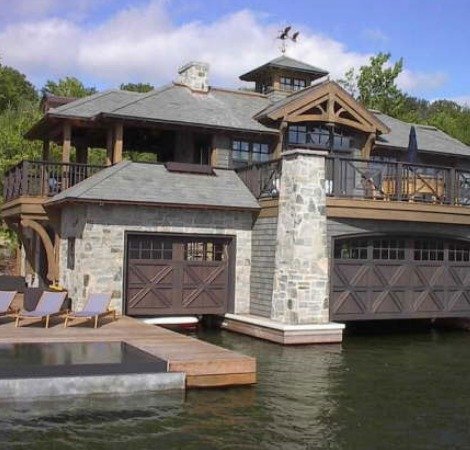
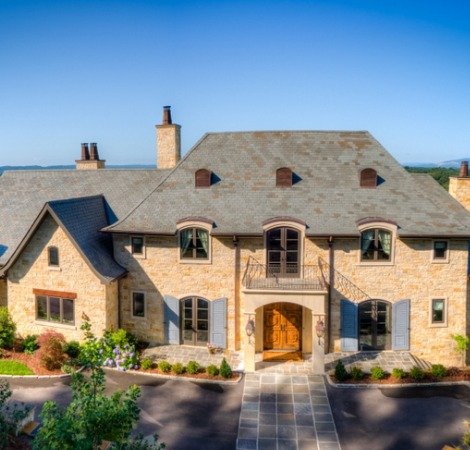
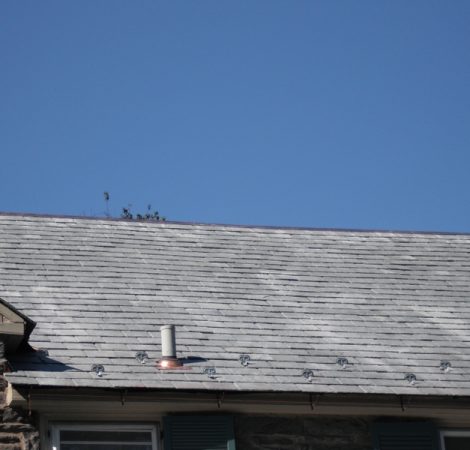
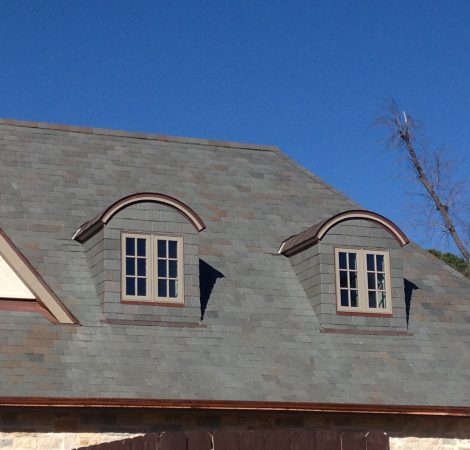
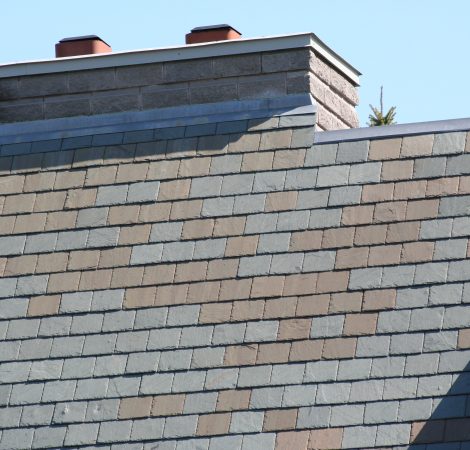
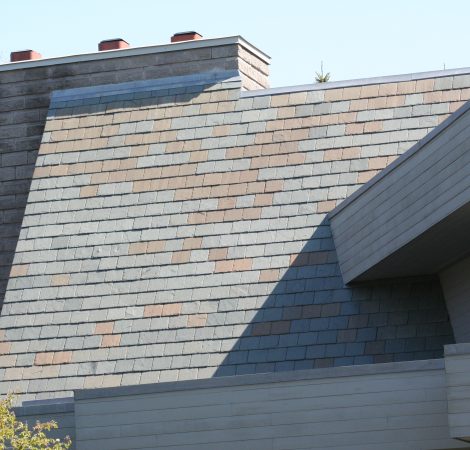
A percentage of semi-weathering slates, when exposed to the elements will change to brown, buff, and tan over time. The mineral and chemical composition of the slate contributes to the weathering process. As roofing slate is a natural product, the weathering can vary from quarry to quarry as well as the stone extracted from within a quarry. When ordering a “semi-weathering” slate it’s important to keep this in mind. The installer should also take the time to blend and sort from various pallets to avoid unsightly blotches of browns.
North Country Semi-Weathering Vermont Gray natural slate, often also known as Vermont Clear Gray slate, is a highly esteemed roofing material prized for its mix of rugged durability, refined aesthetics, and time-honored performance. This slate is quarried in Vermont’s historic slate valley belt and embodies the very best of North Country Slate Roofing traditions. In composition, it is a natural metamorphic rock, formed under intense heat and pressure over geologic time. The battleship grey tones that make up semi-weathering Vermont gray slate contain a complex mineralogy — primarily fine-grained mica and quartz-like minerals, plus trace calcite and iron compounds — which give the stone its characteristic gray color roof look and contribute to its ability to develop patina over time.
From a characteristic’s standpoint, Semi-Weathering Gray slate features a smooth to medium texture, a traditional grayish tone, and occasional small black markings, creating subtle variation across individual slates and courses. As exposure to the elements continues, some slates may gently weather, revealing warmer bronze or buff hues, giving the roof a natural, evolving appearance; however, this weathering doesn’t compromise structural integrity. Indeed, the unfading gray slate label applied to many Vermont slates is more about aesthetic stability than literal color permanence: even as the surface patinas, the slate’s strength remains unchanged.
One of the most important technical attributes of these slates is their compliance with ASTM C406 S-1 slate roofing standards. Vermont Semi-Weathering Gray slates demonstrate a very low absorption rate and strong weather resistance, all measured by ASTM test methods. These properties reflect a slate that is exceptionally strong, very slow to absorb water, and resistant to degradation — hallmarks of a truly premium Vermont slate roof.
In terms of benefits, a premium Vermont slate roof offers many advantages. Its natural stone composition means the roof is fireproof — slate simply does not burn, making it inherently safe and rated Class A by IBC (International Building Code). It is also remarkably resistant to hail, wind, freeze-thaw cycles, and ultraviolet exposure, thanks to its dense, low-absorption structure. Because of its astounding longevity, a semi-weathering slate roof can last well over 75 years — many S-1 slates have documented lifespans of 100 years or more. Unlike many synthetic roofing alternatives, which may degrade, warp, or become brittle within decades, high-grade natural slate maintains its physical integrity across generations.
Longevity & maintenance are among the slate’s most compelling features. While slate roofing requires a higher up-front investment, its maintenance needs are minimal compared to other roofing materials. Inspecting for loose slates or flashing problems every few years is typically sufficient. Because these roofs are so long-lived, flashing work is more common than replacing large areas of slates themselves. Replacing individual broken or cracked slates is entirely feasible — and since the quarried Vermont semi-weathering gray slate is readily available, matching future repairs is often straightforward. Over decades, proper installation and occasional upkeep can easily yield a premium Vermont slate roof that endures for a century.
In summary, choosing North Country Semi-Weathering Vermont Gray Slate Roofing offers a harmonious blend of natural beauty, structural strength, and long-term performance. Whether you value the refined look of grey slate stones, the evolving tones of a semi-weathered roof, or the unmatched durability and limited maintenance of ASTM S-1 Slate Roofing, this premium slate is a top-tier solution. A North Country Semi-Weathering Slate Roof delivers not just a roof, but a generational legacy.
North Country Slate brings decades of specialized expertise in natural slate roofing, offering homeowners, architects, and builders unparalleled guidance in selecting and sourcing premium, long-lasting materials. Their team understands the nuances of slate quality, performance, and architectural compatibility, ensuring that every project benefits from professional insight and proven craftsmanship. With every order backed by strict quality assurance and authentic quarry certification, customers can trust they’re investing in genuine, top-grade roofing slate. For tailored recommendations and expert support, reach out to North Country Slate—request your quote or consultation today with confidence.
FAQs
-
What color change can I expect with a Semi-Weathering Gray slate?
-
Are semi-weathering slates inferior to unfading slates?
In the slate industry, there are two color adjectives to explain color changes. “Semi-weathering” refers to the color changing over a course of time, whereas “unfading” refers to the slate maintaining its original color. If the slate tests as an ASTM S-1 rated roofing slate, both a semi-weathering and unfading slate will have the same durability and longevity. The decision on the color all comes down to the type of roof you want. For instance, you’ve narrowed down that you prefer gray colored slates. If you like the look of an “older” looking roof, you may want the Semi-Weathering Gray slate which will have a percentage of slates weather when exposed to the elements. If you want the slate roof to look the same as the day it was installed, you might prefer the Unfading Gray with is a light to medium gray with mottled inclusions of dark gray and black.